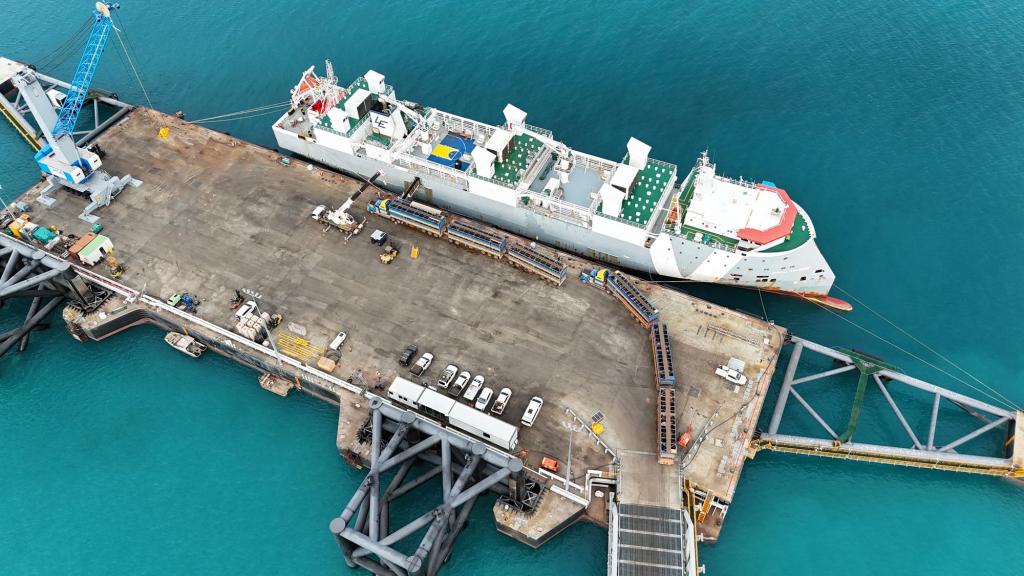
Naturally, this floating jetty at Broome from the Countryman Newspaper, West Australia, is not what I was thinking of for a jetty in Meld. But it’s so amazing! Look at the cattle trucks in the picture. Like a pair of miniatures. This set up is a far cry from the jetty in Broome back in the 1980s when I was there.
Cattle exported from Broome’s floating jetty for the first time
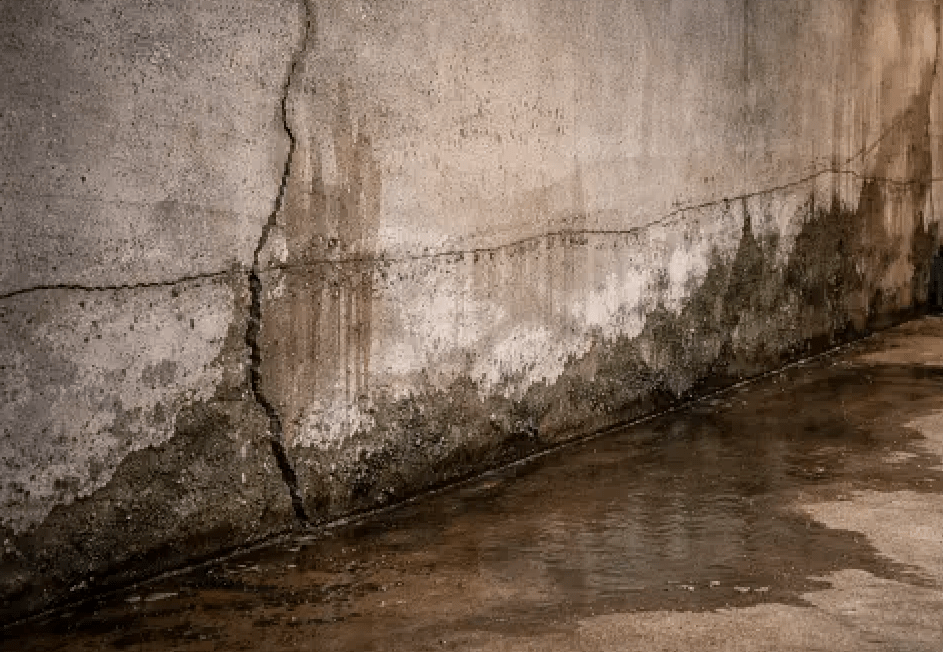
Digging deep into the internet to find the kind of grungy image to illustrate this chapter, I came upon hundreds of photos of leaking basements. Many in Florida. Seems like the end of the world as we know it is starting to happen there. Sea levels rising.
But that’s these days. The days of Tardi and Shad are a couple of hundred years into that future.
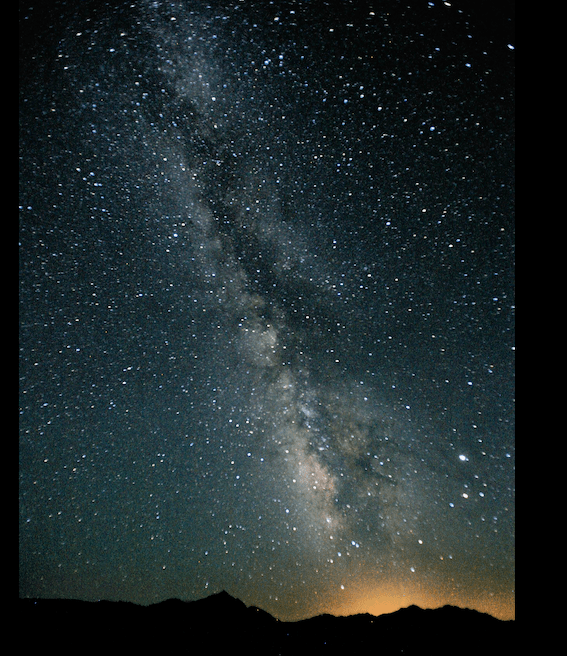
Image by Steve Jurvetson – Flickr Photograph of the Milky Way in the night sky over Black Rock Desert, Nevada taken on 7/22/2007. It is a 54 second exposure taken with a tripod mounted Canon EOS 5D digital camera with a 16 mm lens, wide open at f2.8 and ISO 800. via Wikipedia
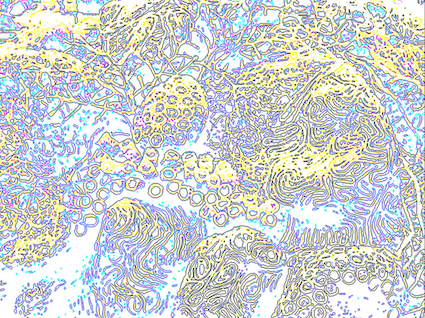
This pic had a complex beginning and I wish I could’ve listed the original artist. A friend visited a seaside art installation. He took many pictures without taking note of any artists or their details, and at home let some of them loose into the wilds of a well known art program. Representing krill in this pic. It was originally 9 MB, and 75 cm wide. Cut that down to 15 cm, and I might’ve been too stingy. My apologies.
That is, links between Mongrel, part 1 of the series and Meld, part 2. Ordinarily these might be called back-stories telling how various characters got to the point that they enter the story.
Though in this case, it’s the ongoing premise that needs more explanation than I can fit into the main tale. So I have recruited a group of supporting characters to tell their side of events, in the hope that they will then just slot you into the cycle.
This was a 500 word Flash Fiction try-out that describes Claire King’s secret project. If you’ve been reading long enough you’ll probably recognize the Dolphinate, who live in the Delta in Lodestar.
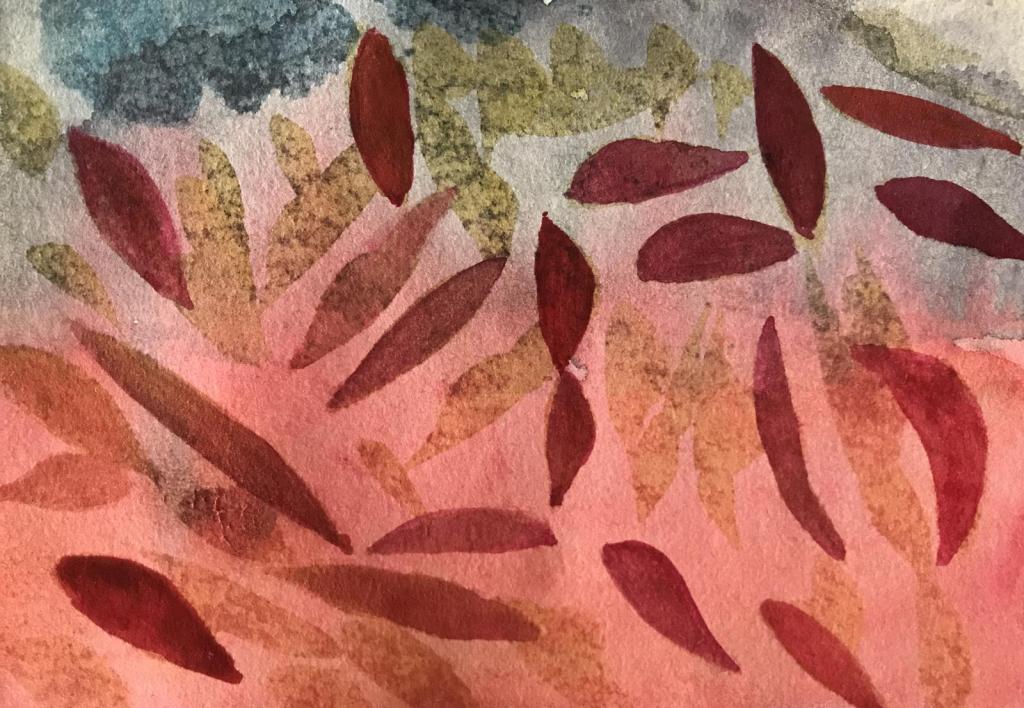
This little painting represents a bunch of new life in a petrie dish.
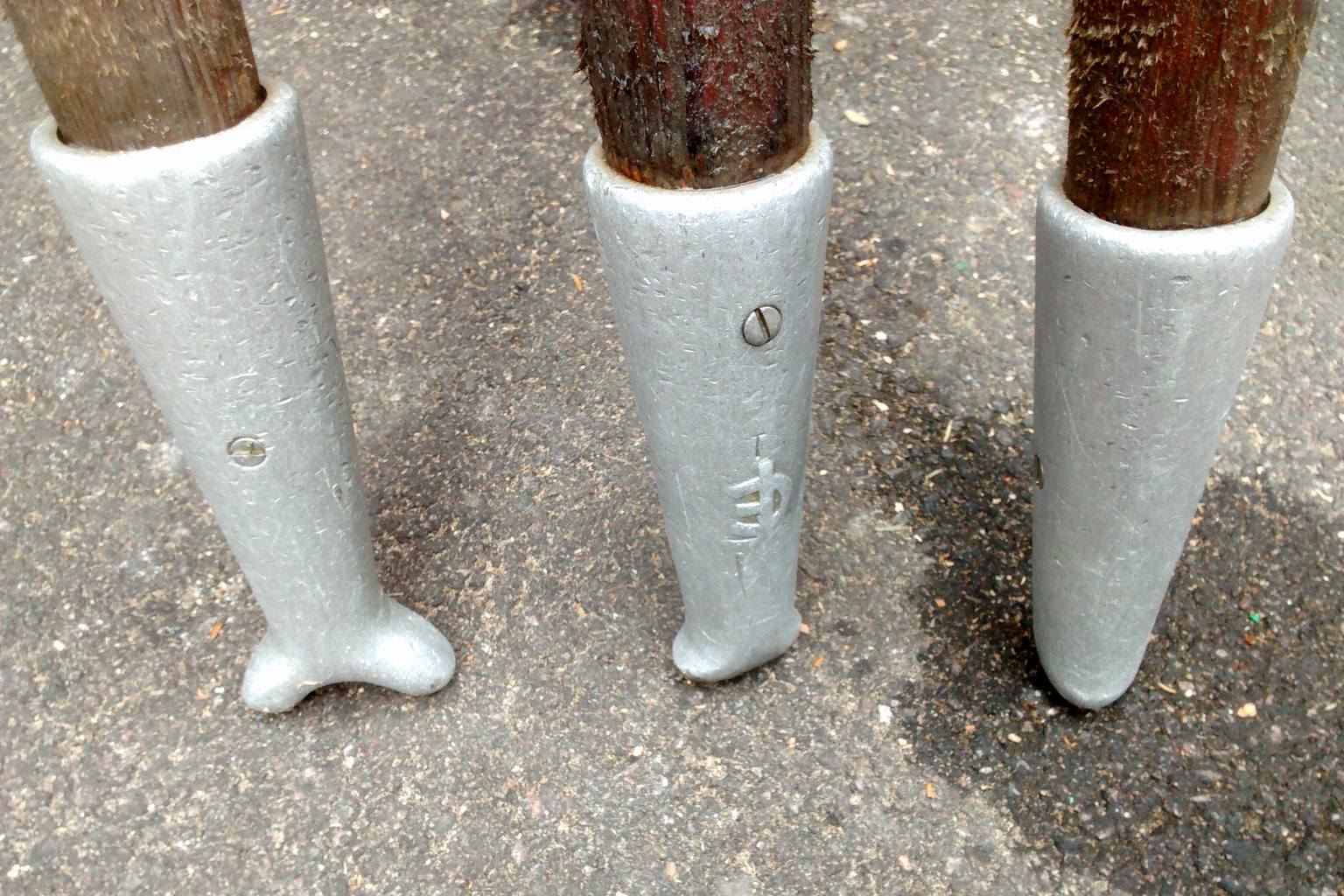
“The basic technique of punting is to shove the boat along with a pole by pushing directly on the bed of the river or lake. In the 1870s, when punting for pleasure first became popular, the normal approach was for the passengers to sit at the stern on cushions placed against the till, and for the punter to have the run of the rest of the boat. The punter started at the bow, planted the pole, and then walked towards the stern, shoving the punt forwards. This is known as “running” the punt. It was the normal technique used to move heavy fishing punts. As pleasure punts became lighter, it became more usual for the punter to stand still – normally towards the stern – while shoving. This is called “pricking” the punt. Pricking has the advantages that the punter is less likely to walk off the end of the punt inadvertently, and that more of the punt can be used to carry passengers.[6from Wikipedia.