I’m pretty amazed at finding this image … these are exactly the sort of thing I imagined for the buggy’s attachments to the cables.
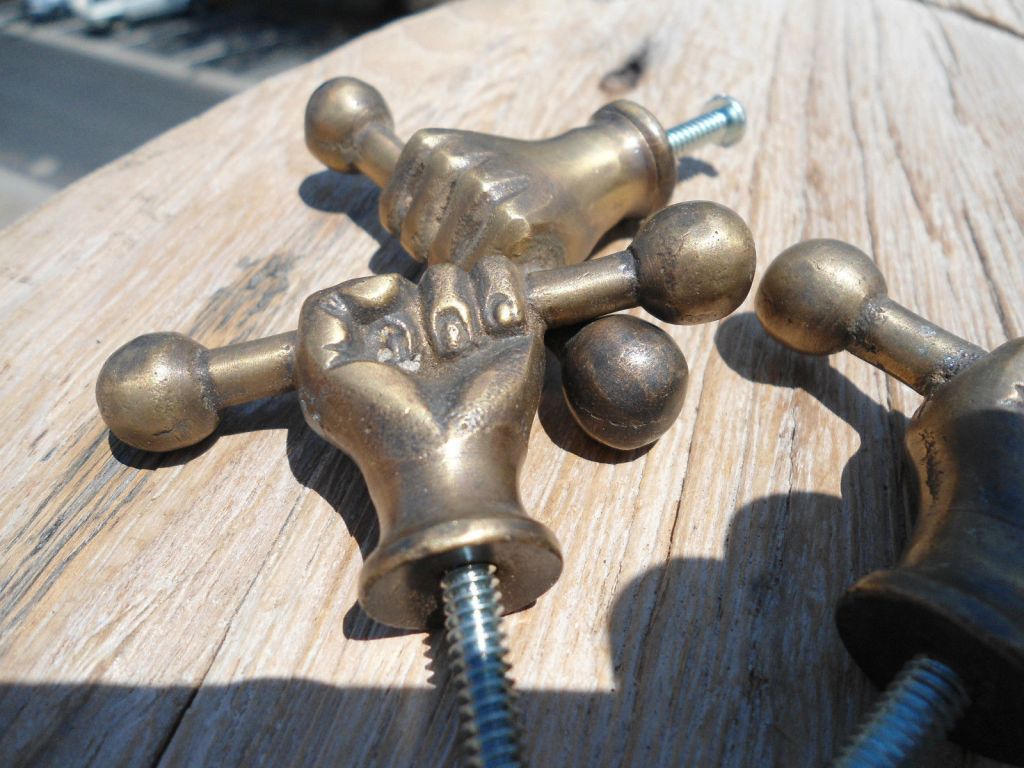
I’m pretty amazed at finding this image … these are exactly the sort of thing I imagined for the buggy’s attachments to the cables.
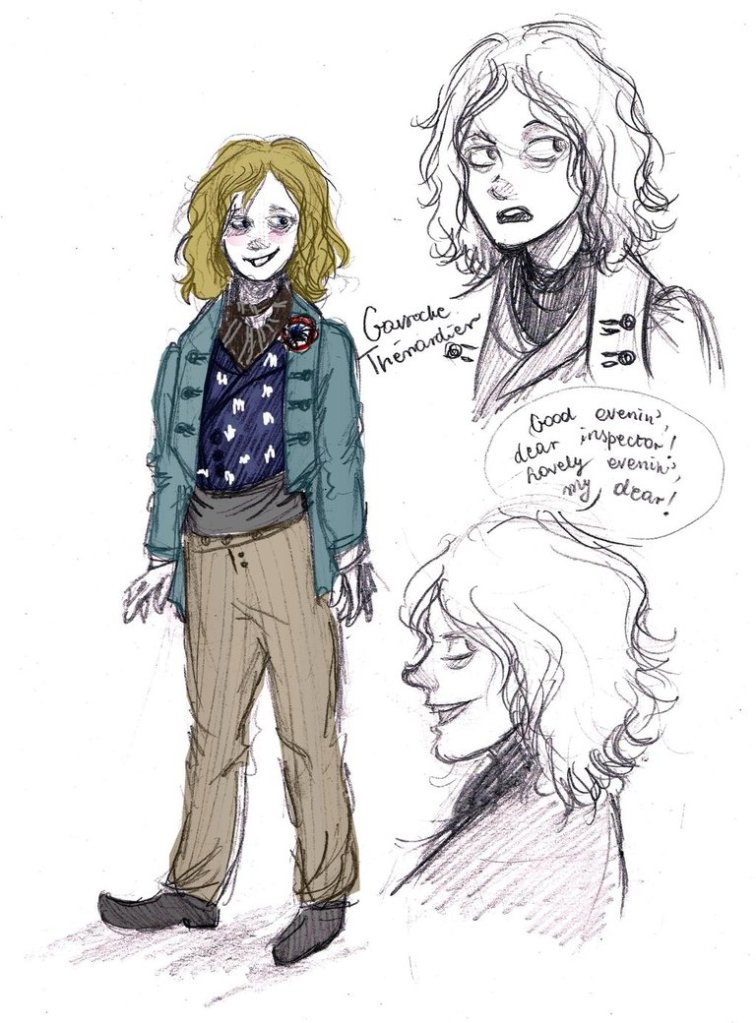
An image that I sourced from Deviant Art about five years ago. I don’t remember any more how I got it. Whether I downloaded it, for example. street_urchin_by_xxignisxx-d66m7xi
To all those readers keenly following MELD … I have been feeling quite doubtful about continuing it. Though I’ve written dozens of good chapters, it seems that unconsciously I’m burdening yet another suffering viewpoint character with an additional internal entity. And that, after three versions already on the same or similar theme. I’m obviously going to have to do more dream therapy.
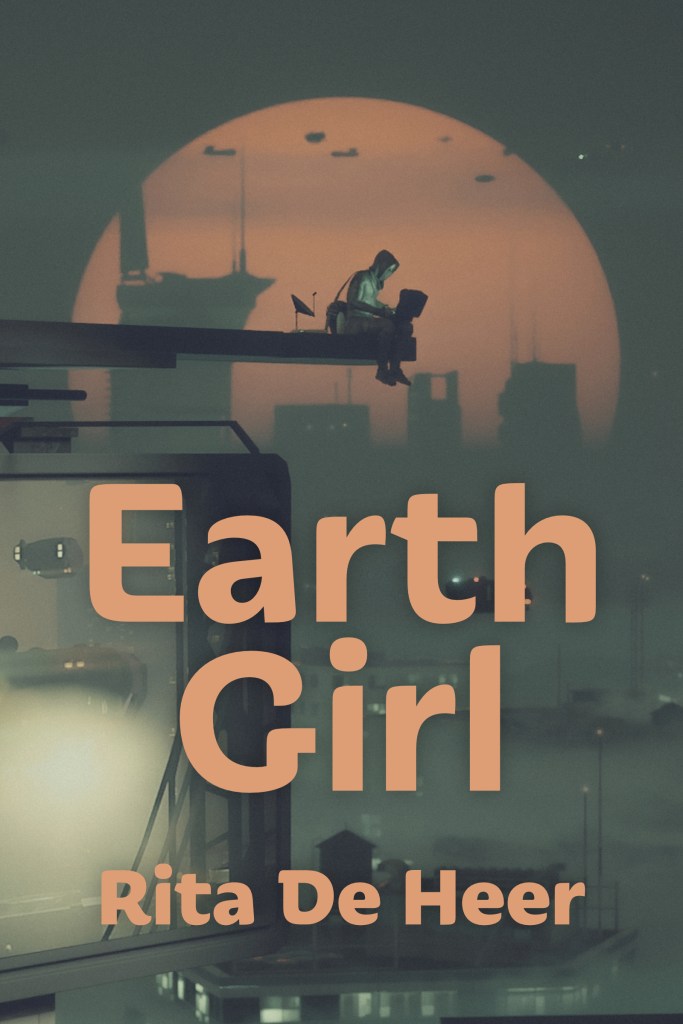
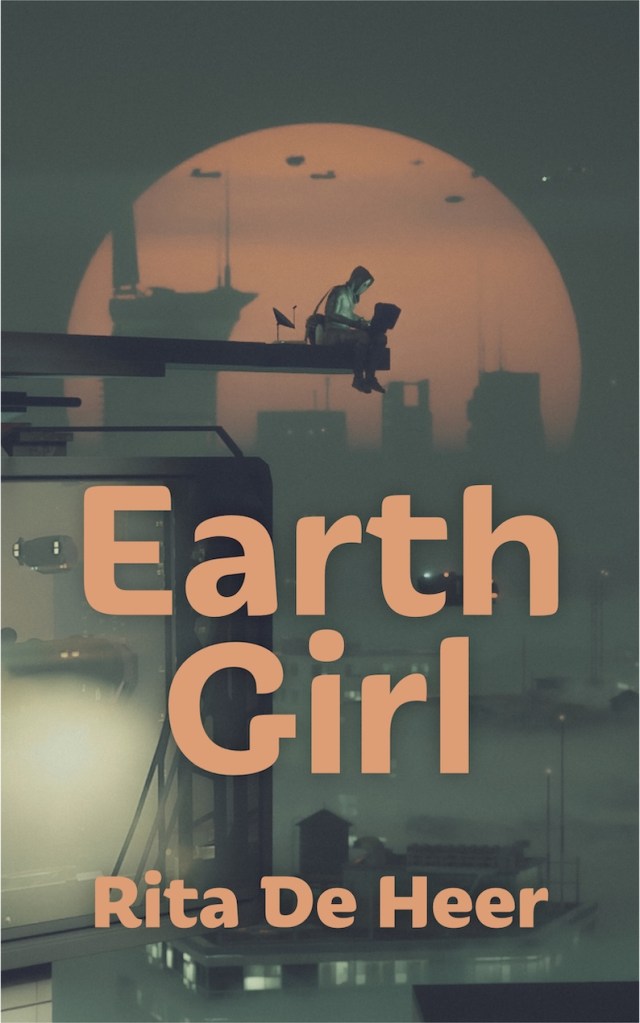
So, while I sleep on MELD, I’ll repost EARTH GIRL. I don’t think I’ve yet posted her story on this (WordPress) blog. Lol, among 600+ posts? I can’t find it. I think offered it on Google+ back in that day.
I’ve got a nice cover for it, thank you ronnie@https://tegnemaskin.no/
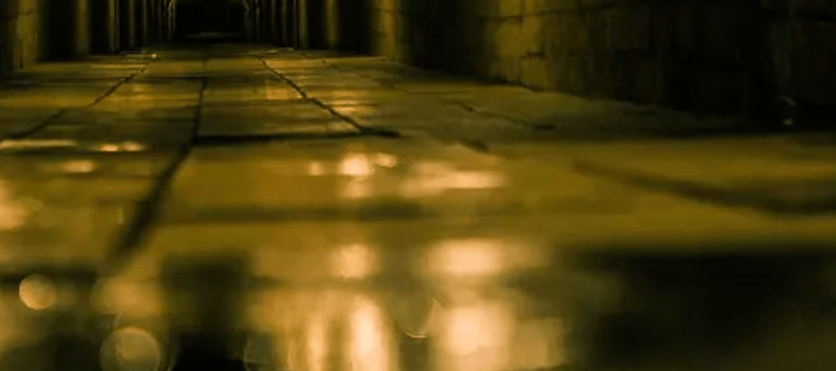
The light in the tunnels at the Reefarium, where Zebe is reading her twin’s missive …
This session started while I was in hospital. Trying for easy reading matter. Easy to put down when necessary, for example to have a blood test done, or connect me to the IV.
My reading buddy brought me a book that he had trouble with and that I put aside after only one chapter, no way was I going to be able to read that in a scene where I needed to interact with maybe fifty people a day.
By day three I was hungering for anything at all to read. I’d forgotten to bring my tablet, and I’d been down to the kiosk in the downstairs lobby twice, and that had only magazines and newspapers available. Over two days, I bought two dailies of a right-wing newspaper, read them from cover to cover and felt like a foreigner.
Then, during one of my afternoon perambulations on the ward, I saw and remembered the existence of a lounge or two in each ward in that hospital, where visitors could withdraw to wait out procedures on their loved ones, and that there often were a couple of books.
Day three I sallied out and found a book that I normally wouldn’t read in a pink fit but needs must, as the saying is. A Readers’ Digest Condensed Book, in the new century renamed Readers Digest Select Editions. Still ongoing, I was amazed.
These are collections of “Popular, bestselling novels condensed to remove subplots or descriptions without altering the author’s style or story,” according to Reddit users and eBay sellers, quoted by Google’s AI. Hence me not reading them in a pink fit. However, by the 2020s I’m suspecting, the novellas could be being written purposely for the series. The four stories I read certainly seemed so.
According to Wikipedia https://en.wikipedia.org/wiki/Reader%27s_Digest_Select_Editions
I probably read
Book 18 … Volume 395 – #6 – September 2023 with • The Hunter – Jennifer Herrer • Hello Stranger – Katherine Center • Play the Fool – Lina Chern and • The Last Lifeboat – Hazel Gaynor
And because I was reading to pass the time, I have no clear memory of what all four stories were about except that one of them was about a bunch of newly-outed characters making the Titanic trip. By ‘newly outed’ I mean these people have not before featured in any of the Titanic fiction. And that they are probably completely fictional fictions. “IE did not appear in the passenger lists.” (Authorial note)
The other one I have some memory of is Hello Stranger, a thriller about a woman who has lost her memory. As this was the last story I read, I recall it best and it was good enough, in my opinion, not to give out any spoilers.
The remaining two stories? Can’t recall a word.
— — — —
After four nights, the days between, the two half-days fore and aft, and bells bells bells every minute of the night, I returned home. Blessed relief, with no bells clamoring all night I slept like a young thing.
Returned home with a prescription for another five days of antibiotics that had now to be taken by mouth, of course. And don’t bother with the probiotics yet was the word. The first couple of days I was quite well, getting stuck into the clean-up, and even managing to attend the weekly art class on Thursday morning.
By the Friday nausea began to rule. All the jobs I had begun slid into the background. There’s a pile of washed Duplo in front of me, another pile drying on the balcony. The grandkids have outgrown it, but some will still be useful to me for mountain-building. All of it needing sorting and I haven’t washed the plastic tubs yet.
Then there’s the laundry, one load ready to be folded, one load still in the washing machine, and another pile growing in a corner of the bathroom. Then there are the three days worth of dishes to be washed. Then … then …
I looked at my bookshelves, found something I hadn’t read yet, and promised myself time would pass. Five doses to go.
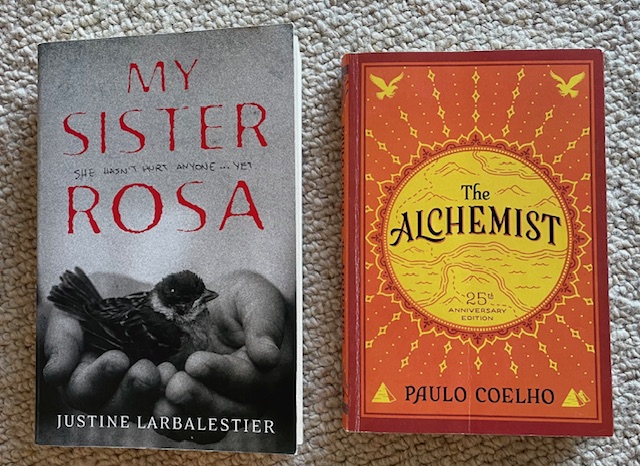
Book 19 … My Sister Rosa by Justine Larbalestier, published in 2016 by Allen and Unwin.
I picked this book up in the library in the village community center some time ago. The back cover promised me edge-of-my-seat reading and it was not wrong. I read it in one gulp, which took me till 1.30 A/M, and some time ago I’d sworn off that kind of read. Sleeping only about five hours does not agree with me these days. It’s like I’m hungover the whole next day.
Spending a bit of time at https://goodreadingmagazine.com.au/ about this one, reading reviews, I discovered that people either loved or hated the book. Also, that it’s classed as young adult fiction, which I just don’t see. Just because the POV character is a teenager does not necessarily make it a YA fiction.
Some readers thought the novel well researched, others thought it badly researched. I’m neutral about that. Just so long as the research doesn’t intrude into the reading experience I don’t mind what lengths writers go to get a readerly reality. I’ve paddled that sea myself, researching the ins and outs of surfing for my novel, Mongrel, for example. Body-surfing was the only kind of surfing I ever did and then only casually.
Some readers loved the supporting character, the ten-year-old psychopath, thinking her very realistic. Others thought her tricks were mere childishness. On that point I really don’t believe the average ten-year-old will try to talk a so-called friend into killing her twin for entertainment. People who thought that, I stopped respecting the minute I read their opinion.
Che, the older brother who told the story, was trying to be a normal teenager and not succeeding. Neither of the parents were ‘at home’, so to say, and his little sister became his responsibility. Of course in the past, it was normal for an eldest sibling to have the care of the younger brood. In my past it certainly was, and I often had three young kids trailing me. Nowadays, with families of only one or two kids it is much less common.
Book 20 … The Alchemist by Paulo Coelho. Translated by Alan R Clarke. Originally published in 1988. The first English language edition in 1993. This copy is a 25th anniversay edition published in 2014, by Harper One an imprint of HarperCollins.
Its publishing history is complex. In 1993 my son was eight years old and I was a keen library reader and thrift store customer. That would be one of the reasons this book completely passed me by. That library was struggling a bit, new books few and far between, and thrift stores feature the old and remaindered. Nor was I in any reading clubs where people raved about it. Small country town. Not even a bookshop in those days.
Nor would I have been psychologically mature enough in that time to read it. I hadn’t yet started my writing studies, and the only hero’s journey I knew about, was me eking out a living. Thirty three years later–now–I read The Alchemist with joy. I recognized so much. The hero’s journey, yes. There’s been so much said about the hero’s journey in film, literature, how-to books and descriptive critiques, most people will be familiar with its concepts.
But also some of the Jungian concepts I’ve been studying for the past couple of years. The Personal Legend, for example. Do you know yours? I’m not yet so familiar with mine that I can talk about it in detail, though I’ve received a few clues from dreams. If you don’t yet journal your dreams, start now. I recommend it.
Then there’s The Soul of the World. I know that as the collective unconscious, but described much more poetically. There’s more. The plot of the recurrent dream of treasure in a far off place that returns you to your original place? A plot that I’ve read in a couple of recently published novels. It was an aha moment and me thinking, So this is where they got that!
Even the title. The Alchemist. The alchemist is a wise man. The last thing he said to the boy? “No matter what he does, every person on earth plays a central role in the history of the world. And normally he doesn’t know it.”
This seemingly simple little book gave me a lot to think about.