A ‘Blast from the Past’

Trying to get into an organized frame of mind … we’ve been warned there is to be a Fire Drill this morning, and also I should/must get my new mobile phone SIM installed that I have already done the online stuff for.

Now just waiting for the old SIM to stop working … no that’s not right … they’ll first send me a code that I’ll need to put in somewhere. Then wait for the phone to stop working and THEN change the physical SIM card. Something which I will need help with.

My weak old fingers can’t even get the case off the mobile, let alone negotiate the teeny tiny fork to open the little draw, to then insert the minuscule card! None of this stuff was invented with old people in mind. And times like these, I really do feel like the geriatric aviatrix (IE the geriatrix negotiating the virtual skies of the web) I sometimes write about.

I stopped thinking of myself as any kind of surfer about the time I did the research about surfing I needed to be able to write knowledgeably about the process in MONGREL. I knew just ordinary body surfing was simply giving myself to the power of the water to take me, straightened in a torpedo shape, with itself to the shore. Surfing using a board was a whole other process.

As a child in the 1950s I was pretty sure that one day I would be a pilot. I collected cigarette cards of planes, identified planes going over (not nearly as many as these days) and imagined being a pilot by extrapolating from my father’s actions at the wheel, driving his first car.

Which was a share car, by the way. The two families owning the car used to take turns going on camping holidays.

This example from http://www.simoncars.co.uk/coachwork/woody.html

As near as I can recollect, the sides of our woody were all wood panel, that there no windows in the sides of the back. And of course it was old and decrepit. Traveling in it, if I wasn’t staring out the front at the horizon, between my father driving and my mother in the passenger seat, I’d be car-sick, the smell of petrol pervasive. As it was originally a tradesman’s van, there were no seats in the back, and we kids had pillows and an old mattress to sit on. And I do seem to remember that my mother and father sat in old arm chairs.

What happened to the dream of becoming a pilot? A girl, in the 1950s? It was kindly explained to me that girls did not become pilots, but that I could become an air hostess instead. I grew and grew. By 1960, even that dream went by the way. There was a height restriction of 167 cm, 5′ 6″ for air hostesses in the days of low cabin-ceiling prop planes. I was too tall!

And that was only the first fly-away this morning.

Reading my emails and posts, I side-tracked into Susan Cornelis website again this morning, this time about her Norwegian memories. She quoted the Garrison Keillor sign-off from A Prairie Home Companion,

“I couldn’t help but remember Garrison Keillor’s sign off on Lake Wobegon “where all the women are strong, the men are good looking, and the children are above average”.”

That was so familiar, I can practically hear Keillor say it, a radio show I used to listen to way back when. I clicked away from what I meant to do and to the website, and it’s all still there.

Not that I’m listening to anything right now other than the sounds of people in the corridor. Next, the announcements and the siren … the cat shot under the couch … and it’s time to gooooo!!!

While down on the podium, and after signing my name off, a kind person with strong hands helped me by getting my phone case off.

Now. Off across to the shops where I’ll get the SIM changed.

Avatar Remaindered 18

Having a problem posting Avatar Remaindered 18, which I meant to put up yesterday. It obviously didn’t stick. Today the same trouble.

Let me put up a picture. The chapter is called Into the Chasms … Working on it.

Well, it worked. Whatever I did. Really not sure and–you know how it is–I’d rather not touch it in case it disappears again.
‘The Mercy of Gods’

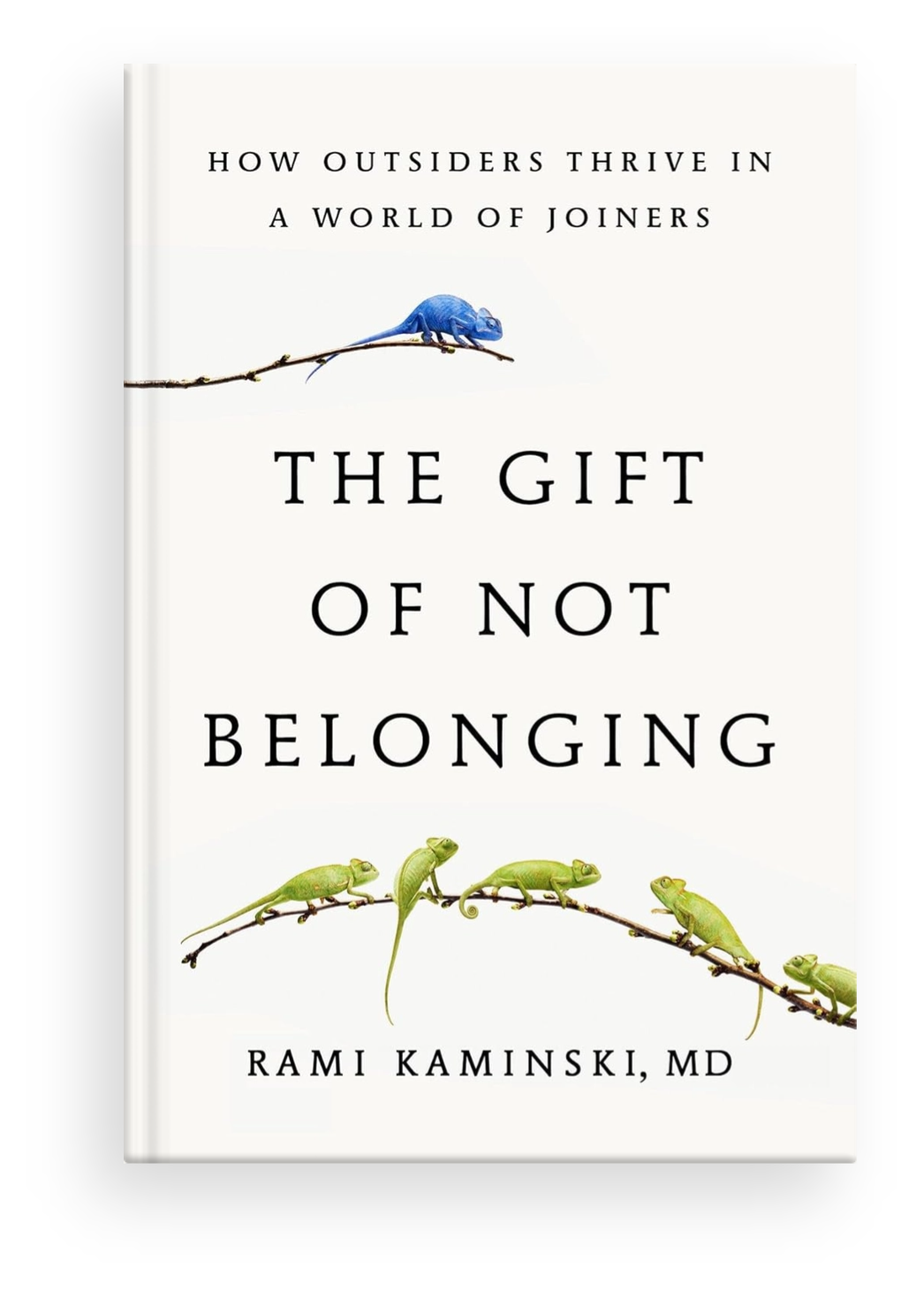
I’m going to try to talk about this without giving anything away since you too might want to read it. It’s worth it. Science fiction.

It definitely took me reading this tome twice before I could be sure that the title says what it says for a reason. And remember that if you’re a fast reader … like I am … it will probably need twice through before you get both the title and the reason for the incredibly detailed viewpoints. It did me.

Those were the two main things I took away from the second time through. I found the incredible nit-picky detail quite irritating the first time. Usually when I pick up a book for the first time, I consume it for its story. It’s a make or break reading and if it doesn’t come up to my expectations I’ll be leaving it in the laundry.

Lol, “leaving it in the laundry” is a euphemism for getting rid of it. Back in my youth when I lived on the road for three years, books were regularly left in a camp-ground’s laundry for swapping. You’d leave your excess luggage in the form of books and magazines there in exchange for things you hadn’t read yet. No mobile phones in those days. The really good books that I found in that way and that I couldn’t abandon like that, I would post home. Still have a couple that I collected that way.

Here at the retirement village, there’s quite an extensive library of books left by people not wanting to store them in their apartment shelves, I assume. I’ve left a few of my acquisitions there too. I’d say that’s the primary method of acquisition. Detective fiction is the most popular genre here.

The second time reading a book, since I already know the plot and outcome, I can concentrate on the detail. And in The Mercy of Gods there is a lot of talk and thinking by various characters. Some that irritated me first time round became a necessary flow-of-consciousness to enable me to negotiate–along with the character thinking the verbiage–the extremely difficult situations presenting themselves.

Situations that I might have glossed over first time round. [Yeah, I know. Glossing a novel is wasteful on a number of counts. What can I say? Chasing an outcome is my addiction.] The primary situation is a bunch of humans in a very alien situation. I take my hat off to the authors’ world-building and ability to explain what is happening in the extreme environments they’ve invented.

Another really great process … not topic, not event, not character … what’s left? Process? So, another really intricate and interesting process is the way the humans are made to pit themselves against what they think is the target which turns completely on its head. You just will not see that result coming. Even me telling you like this won’t help you, because if you are a normal human being you’ll be reading along waiting for something to happen. It’s dense, opaque and a great read! Go read a book review somewhere if you need spoilers.

My very first five-star read this year!

Cory Doctorow: Proud to be a Blockhead

Under the above title was going to be a link to Doctorow’s post of that name, but I don’t think so. Not yet. The link I pasted turned into a wall of text, virtually unreadable. So, again, this post will be the ‘About Blogging’ … how often already this year have I tagged a post that way?

Because what happens usually when I click on a Share Button, the title of the article/post to be shared and its URL are copied and saved on a virtual clipboard. Then, when I click and copy on a place in my post of my choosing ... usually after I’ve introduced the article/post as I intended to do here … the article/post will paste into the position directly under the title and shove the intro to the bottom, or into a never-never land where it can never again be found. (Yes, that is a hint to myself to save a draft though I’m not sure if that’ll work.)

I can but give it all another go.

Lol, this is a straight-out quote that reverberates in my head … from one of my own fictions, and when I say or think those words, I always feel like I’m hovering over Tardi Mack (trucker and surfer starring in Mongrel [published] and Meld [still being edited]) saying it while he is giving x y or z problem another go.

Intro

I’m proud to be a blockhead the same as Doctorow. Quoting from Doctorow’s article … “the most laughably false statement about writing ever uttered is Samuel Johnson’s notorious “No man but a blockhead ever wrote but for money”: … Yep. I’m definitely a blockhead.

There’s so much in this article that resonates with me, that I relate to, the whole article is rich with quotes about ‘making art’, creative endeavors of all kinds, how badly musicians are paid, and that by Spotify that people tell me I ought to be ashamed of not using them in preference to Apple Music, for example. All of them guilty of the same practices?

Why it’s important to read and read lots, how writing is a way of thinking, a way of working stuff out. While Doctorow is afraid his luck will run out in relation to his writing career, I’m often afraid that the internet will fall over and how easy that will be when it does, with all the links in the chain from me here typing this to you opening WordPress or your mail service, and reading. And there’s much more.

So I thought you might as well read the original … https://pluralistic.net/2024/12/21/blockheads-r-us/

Lodestar 56b: Scrim continued

Part Two of Chapter 56: Scrim Learning his Ropes

In the night, a number strong with drink clambered up to Scrim’s hide to talk about his fate and how he wanted to forget it with sex. “What about it, partner?” he said.

Scrim rolled to his feet. Pushed the number to the window hole, then fought him through it.
The number screamed getting pronged on an upstanding old iron below. He screamed and screamed until the transies came first for laughing at him and chiacking, and then killing him some more with their knives.

Scrim hugged himself tight all night breathing Min-breathing.

When the hooter called, the transies left quick-smart. Then crows came. So crows clean up the dead in the city as well as in the rubble. Soon after, Mapmaker squeaked by on his wheels.
Scrim stayed hid to see what was what.

Mapmaker stopped at an alley across the street. Put his trike into the alley. He set out his things in the mouth of the alley. Both sides of him were the dead houses of the wall strung together with lectrics on their outside.

Further in, behind the trike, stood a steel egg as tall as a Scrim, an egg that Scrim could only see iffen he did a trick with his eyes where he stared through the wall behind the egg and suddenly the egg was there.

Scrim’s side of the street—what he saw of it yesterday—was a cobble of lanes and high-ups, all of them near to half-broke. Not one window had glass. Entries were black holes like the black hole into the home cave in the rubble. He saw another egg when he leaned a little out his window hole. That one at the west end of the street, where the sun sank.

Both sides of the street now had people setting up tables and tents. They filled the tables with all kinds of green plant foods, and roots, and flats of bread what made him hungry. Some had bottles of drinks. Making him thirsty. In the rubble the littlies got theirs first. The long-legs last. Here, he didn’t know and wouldn’t find out if he didn’t go down.

He tried to not see the crows. Made himself a mouse and crossed the street to Mapmaker.
“A man left me these,” Mapmaker said. “Smoked rabbits. I don’t need them. Maybe you can trade the ones you don’t eat.”

Scrim took them, two sixes of naked animals with no fur strung on a pair of strings. Hard-smoked. With short ears and like rabbits only by their same-size.  

A number who came to do business with Mapmaker pushed Scrim so he had to step into the street.

“You, boy! With your rabbits.” A man across the street beckoned him. “You look so lost you’ll get found quick-smart. You trading those rabbits?”

That word again, trading. Scrim had no meaning for it. He shrugged.

“Like, are you swapping?” the man said.

Scrim shrugged again.

“Come here. Stand with us. We’re all getting nervous for you.”

Scrim glanced around. No danger he could see.

“That’s Tom,” Mapmaker said at Scrim past the man sitting opposite him. “He’s a friend of mine.”

Scrim nodded, then crossed the street to where Tom and another man had built a table with poles and an old flat-wood.

Tom shook Scrim’s hand, “Any friend of Mapmaker’s is my friend too. Come behind the table with us. Look at how Wobby trades. I’m the watch-out for danger. Stray whistlers, uncouth transies, crazed numbers and, of course, the customers and their guards. See our scars? Courtesy of Mapmaker. We’ve never got picked yet. Mostly people prefer trading at their houses, at night. Wobby will show you.”

Music started up from a speaker hanging above the place.

“Wrap it up, Tom. Here they come” Wobby said. “Don’t look anyone in the eye, kid. But watch all of them like you are a hawk.”

The customers came tootle-cardling like magpies, the way they chattered and called to each other, making a party in the street. Their clothes were new and all the colors of old oil in a puddle of rain. Their own true wrinkles could hardly be seen under their thin masks, white-painted with friendly smiles, but staring with their own stony eyes at everyone and everything around them.

The numbers buying food and drink were kept moving by a squad of transy guards, the sort what must have got their smarts back. Each customer also had a transy dancing attendance. Sometimes such a customer-and-guardian pair followed a particular number around the market discussing them, be they man or woman, as though the number couldn’t hear what customer said about them.

Scrim burned for the numbers.

After the market, Tom and Wobby took Scrim home with them. They lived a couple of streets west with a handful more people, in a ground-hole hid under a row-house with its walls still standing, roof gone, and hollow inside. A green garden grew inside the walls.

Hundreds of flyers, that Wobby called pigeons, went out in the daytime getting their food and came back at night for sleeping and roosting on every perch Tom and his group put up. Tom’s lot made tallows with pigeon-fat that they wanted Scrim to trade.

“Why not from your stall?” Scrim said.

“Because we don’t want it known we have this good a place and good family.”

“How come you let me know?”

“Mapmaker signed at us that you are his friend so we help him help you be a trader,” Wobby said.

“Did you see the nubies today? Three of them,” Tom said. “The robots,” he explained to Scrim’s puzzling face. “One in the alley behind our friend Mapmaker. One opposite us and one at the end of the street.”

“You telling me and me not seeing them, gives me the heebies worse than any customer-and-guardian tandem,” Wobby said.

“With a trick of my eyes I saw a steel egg in the alley,” Scrim said.

“That’s them,” Tom said. “They’re nubies folded up. Most people don’t have the knack of seeing them. Like Wobby.”

“Why we always bring Tom,” Wobby said.

All week, every night, Wobby showed Scrim the overhead routes through the ruins, what the flyers had showed Wobby, though in some places they had to run along an alley or a street. But that was alright for they were two, one for watching the other-his-back.

At every place Wobby said, “Next week you’re gonna have to be especial careful here on your lonesome.”

The first time Scrim laughed to hear Wobby using Min’s favorite words, “especial” and “careful”.

“Transies is always a gang, never alone,” Wobby said, still teaching Scrim his ropes. “If one sees you, they’ll all chase. But they’re frighted to climb, maybe scared of falling and wrecking their new bodies.”

At the end of every route was a place with people hiding who had use for tallows and smoked rabbits. They gave Wobby and Scrim whatever they grew, whatever they made, whatever they could find. Even sunshine yellow flowers sometimes that Wobby took for Sal, his girl.

At one place Wobby said for Scrim to give a whole tallow for one sheet of thin grey paper that Mapmaker had a use for.

When Wobby gave a tallow and two smoked rabbits at the next place for a pot with a hole like a fist punched through, Scrim despaired his learnings. “What good? That huge hole!”

Wobby laughed. “I love pots with holes. Good for growing things in. It’s great, you getting into trading. I can spend more days in the sun.”
 

— — — —


The first next dusk of Scrim on-his-own, when the meats were all traded away and the new tallows resting after they were made, Scrim searched out a high ruin for his new hide. The nubies had gone home and he wouldn’t meet any transies iffen he stayed off the streets. 

Halfway between the market and Mapmaker’s place were two tall narrow walls once making the corner of a high house. With the rusted bar-ends sticking out inside some-places, it was easy to climb, and all that climbing done out of sight of the street. At the top, to the left of the shaft, swayed a little room on its lonesome, like a tree-house.

Scrim remembered trees. Long time away when he was a bub. Before he was a kinnie. Sleeping that night was good and warm too because he traded two coats that day. His windows were spy-holes in the walls of his hide. In the dawn he spied out his new scene.

Through the middle hole he saw way out east. The rubble with the cliffs at the end of the world. If he had a telescope he might even see Min walking her walk, teaching the new lot their ropes. A wave of home-sick overflowed his eyes. He sniffed it up. I can’t be looking out that hole too much.

At another injury to the wall, in the most east-wise corner, he saw Mapmaker on his roof feeding his pigeons and petting them. After that Mapmaker stood up a thing with a yellow round with yellow stripes spurting from it. Numbers and transies in the street wouldn’t see it, or even Min with her telescope, because of where the thing was between the stair-house and the front wall. Who was Mapmaker signing to?

In his stair-house Mapmaker waved like he knew Scrim’s hide. Then Mapmaker pointed to the round yellow thing like he told Scrim it telling him I want to see you, Scrim.

Lodestar 56, Scrim

[I didn’t want to post the whole chapter if I was going to be knocked back again.]

Scrim Learning his Ropes … Part 1
In the dawn the winkle-pickers dragged a couple of fighting screaming numbers from their hiding places. At Scrim’s hide they laughed. “You safe now, little love. See you in bits when the nubies get you.”

After the truck left, Scrim heard pigeons on the roof above him. He remembered the crust in his pocket and was chewing it without making a sound when a shining reflection flashed along the wall opposite and a high wild whistle, close enough to touch almost, dried the bread in his gullet.

Something big out there! Out the front. What did Mapmaker say? Scrim slid up to standing, pressed himself into the room’s angle, and fought crumbs from his lungs without coughing, gasping, or choking.

He breathed big to recover. Also without a sound. Then stopped breathing coz … Tick. Pause. Tick. Pause. Tick. Pause.

Claws? Clicking along the ground outside? The time between clicks made the thing sound like a giant tall enough to peer into Mapmaker’s three-high window. Ah-nui-bots, was the word Mapmaker said. 

Scrim wanted to gulp air. Min said when you’re frighted, breathe deep in and out by your nose. Calm y’self, Scrim, he thought in her snippy tone.

Thump! In the front room! His heart skittered.

The cat walked into his hide. Thin and grey, it nuzzled up to him.

In the front room—outside it—a small, nearly friendly whistle said, “Where you go?”

The cat butted against Scrim’s legs like it said, get off my bed.

Scrim lifted one foot. All the place he could spare.

The cat sat down in that corner and started washing itself.

The whistlers clicked away. So big! Where’d these things keep themselves? When he studied the city through Min’s telescope, he never saw anything but the numbers, and the transies in the square at the end of the maze, and the wall of houses-and-lanes lectrified with steel-ropes ringing the tall ruins of the city. He badly wanted to see them, these anubots, but he wasn’t in his own place. In the rubble he would of known every escape in the scene.

Next time, he promised himself. This place was more of a mystery than he expected. He sank down beside the cat and dared to put his hand on its soft back. It purring but after a time got rid of his hand with a blunt bite. Not nasty but saying, I got things to do. It started washing its back leg so Scrim busied himself with the sand.

At the hour of sundown the hooter called. The same as the kinnies always heard. The cat pricked up its ears. Scrim too, when he saw its attention. Soon after, he heard metal on metal squeaking and coming nearer and nearer. It stopped at the door. Door squealed opened. The metal thing came inside. The door closed.

The cat opened its eyes wide at Scrim. He didn’t dare move against that fierce light.
The man tocked himself up his stairs, came puffing and grey-faced into the room.

The cat released Scrim from its spell. Mapmaker had got no feet, just stubs of under-legs. He wore covers on his stumps and had a stick to help him along. He was shorter than Scrim.

“When I real little, before kinnie, I used to slide up the mud-slide with pulling on a rope.”

The man looked deep into Scrim. “That soft thinking is like you friend-gift me. Outside life is as hard as a true-stone. Soft is a gutted rabbit. For out there I say you pack that soft deep into you heart.”

Scrim thrilled to hear the man talking like a kinnie.

“Now tell me this maze you made. Show me what you know. I will talk in my normal voice because the transomatics hear me talking all night to my cat. But you must whisper so they won’t know when you leave.”

“Them tran-som-matics?”

“What you call transies. People what come to keep ahead of death by body transplant. What this city is known for, that and every other kind of transplant. Trouble is, when the transomatics first wake up, they are like new children and have to relearn everything— walking, talking, working. Once they are halfway back to normal, their keepers give them the night-streets for their learnings.”

“The ones catching new numbers is transomatics?”

“Yes. Though lots stay young and silly and are kept for making our lives a misery, it seems to me. The truth probably that such a disaster can’t easily be explained to the outside world, like the transy’s family and such. Probably the City keeps the young-and-silly to prevent it getting a bad name. One reason, I expect, they closed the gates to the world.”

“And for keeping the numbers in?”

“I know what you thinking, Scrim. Why still no way out? Scanning the wall with the telescope did you see the ones hanging burned on the wires?”

“All my kinnie-life the same rags. No new ones. Min says they are from the beginning.”

“When people that become numbers are took and all the people in their village are also took, they might think, where is home? They tell me that. And before they can get home, for a long way there is only rubble, desert, camel riders and crocodiles. They think, why not stay, instead making themselves so they are not what the customers want.”

“How?”

“One woman who comes to my stall, I paint her with soot and colors. At her hide she needles it in. She has a tree, leaves, fruit growing all over her.”

“It works?”

“The customers don’t like how she peers from among the leaves. Other times I paint a map of sun-sores. Nobody wants them either.”

“I bet.”

“And there’s hiding. Lots hide. Like you’ve got to. High-up is best when you know nothing yet. Out of reach of every kind of bad. Not near to the maze. I’m safe here because the nubies come to watch the flyers and the cat, and every transy is afraid of meeting a nubie one dusk. As you must be.”

While he looked for a hide, Scrim saw no nubies. He only had the time between the end of the day and the hooter letting the transies out, so he picked the first not-too-high place off the street. He slept. This time his bed was the bare floor.

Lodestar 55: Scrim Into Hell City

Every day at dusk, Min, kinnie-mother, gathered all her bubs and half-grown kinnies together in a group around the little fire in their underground place in the rubble. The long-legs, two of them this year, stayed near the entrance to watch out for foreign kinnies not of their group coming to steal their food. And for wild dogs coming to steal their babies, to eat them up. And chase them away if any came.

Scrim grinned behind his hand. The whole time he was a little one, and then a half-grown, and now a long-leg, no enemies ever came. He never saw a wild dog, or a foreign kinnie not of their group, or a robot. The only foreigners he and Kel ever saw were men with bits of themselves missing. An arm or a leg. Who were easy to lead away from the hide-out coz they weren’t very fast clambering among the rubble and couldn’t run.

But here-and-now Scrim and Kel lurked behind the stone lintels either side of the entry-way into the hide-out. They looked out over the greying rubble with the daylight leaching away ahead of night coming. Both of them hungry because both of them with growing appetites. Both of them impatiently waiting for the herders to bring their booty of numbers to run the maze, so they could run the maze too. Because they were getting too big and too hungry to live among the kinnies. So said Min.

At the fire Min doled out the food and every little one and every half-grown chewed and swallowed their bread and drank their water before Min sent a half-grown to bring Scrim and Kel their bite. They both wolfed down the bread, two mouthfuls each. All there was of food that night with a cup of water.

When all the kids lay in bed, Min told the story. She used the father or mother name of the youngest of them, so that that baby would remember who to look for in Hell City if they chose to go there when they grew long legs. All the kids, long-legs included, heard their own mother and father names in the story.

Min settled herself on the blankets and started the telling. “A long time ago, Scrim-father and his Scrim-baby lived in the delta and they were out and about early in the morning for their fishing.

“The herders snuck up behind them, and looping a rope around Scrim-father started to pull him away. Little Scrim jumped into Scrim-Fa’s arms to try and stop the bad men but he wasn’t strong enough. And so they were both caught and counted as a numbers.

“After walking walking walking a long way, they came to a gap in the rubble.” Min pointed in the direction where the herders camped. “The city folk, seeing the camels coming, sent a drone to find out how-many in the cargo and stopped the lectrics for just that amount of time.

“The herders whipped the numbers into the road to the maze and Scrim-father ran and ran and ran ahead of them and over the maze. The time was short but he dropped his little Scrim into the arms of Min, kinnie-mother, thinking to save him.”

Tonight was Scrim’s last as a kinnie. In the day-that-was, Min asked Scrim would he run the maze into the city or would he go into the desert?

Scrim’s throat tightened because all he could remember then were Scrim-father’s strong hands clenching little Scrim tight to his heart for the running, and his ribs pumping out and in like bellows as he breathed hard and hard. And Scrim felt again how Scrim-father changed directions, like he turned on the ball of his foot, and ran diagonal across the path of the other runners.

Scrim fingered the scar along his arm. He remembered how Scrim-father and little Scrim got whipped with the whip curling round and licking them both. And he remembered how Scrim-father kissed Scrim a wild smack on his head and dropped him into Min’s arms. And how he was gone. Still and always gone. Scrim cleared the raspy bit from his throat. “Why wouldn’t I go into the hell? See if I can find him?”

“If you’re sure?” Min said.

The way she said it made him feel she asked more. “You set me studying the city. Days with the telescope. Fed me even when I didn’t hunt?” He made it a question. As always, he wondered why Min’s legs didn’t grow long enough to run. She’d led the troop as far back as he could remember and she stayed the same short size all that time.

She still just watched him.

Scrim turned and looked at the land beyond the rubble. Camels were the only animal living there that he could be sure of, owned by the herders who hunted people and sold them to the hell. “Sure I’m sure,” he said.

Then she organized him. The birds, swaddled and sleeping a day and a night, in the bag. A crust of bread to tide Scrim through the night.

So that morning, he rose from among the stones lining the road well ahead of the herders, and slotted in behind the first and second rank of runners. He ran as slow as he dared. Because as always there was the looking everywhere for new-things-to-know. Around him sped the numbers, screaming their fear with wide eyes, wide mouths.

Behind them, at the entrance to the maze, the raiders, laughing and joking, cracked their whips at their captives. Over in the north, over the rubble and beyond the maze, stood the white stone gates where shining truckomatics and customer transports went in and out.

Ah!! Almost tripped!

He corrected his pace. Scolded himself. Letting my attention wander and me a growed-up kinnie what don’t aim to figure in city business? He had to stay watchful running with the numbers so he didn’t get caught up in the mob funneling at the end. And he had to take especial note of what went under his feet. That more especially. 

Out the corner of his left eye he saw his own kinnie troop among the blocky boulders alongside the maze. Always when they saw the kinnies, the numbers carrying their bubs and their kids veered from their straight run to push their little fry into the rubble for the kinnies to catch.

When the bell started its stridency Scrim was ready. The numbers almost stopped with fright before they started running faster because of seeing Scrim streak past with his legs pumping. He didn’t want to be nowhere near the maze when the lectrics was switched back on. The bell was the five-minit signal.

In the narrow street entrance they all jostled into, Scrim peeled off from the mob, ran a little way and shoved himself in the tween of a couple of buildings with just enough place to kneel. While he soused the fire in his heart with big gulps of air, the numbers milled into the arms of a heap of transies and were trucked away.

The place he’d picked to hide wasn’t too roomy, he found after a couple of hours. He couldn’t un-sling his backpack or reach for it over his shoulders. Small other sounds, stifled coughs-and-crying, meant probly a couple of numbers also escaped the round-up. Scrim squirmed for the food in his pack. In a minit his gut would loud-talk away his hide.

Hard feet clattered up to the gap between the buildings and Scrim thanked his luck the dark had come on.

“Sit tight, little one,” boomed a voice into the narrow canyon. “Come light I will winkle you out like a snail from its shell.”

Scrim froze like a hunted rabbit before it ran. He had to believe the transy couldn’t see him because there was no running possible. And no other place that he knew to hide in.

The footsteps went to another hiding place telling the same awful words.

Scrim had to be gone by light. He had precious cargo. Being found meant Min found and who’d look out for the kinnies then? He waited until there were no more loud feet scampering here-n-there and no more loud words thrown around. Told himself again why he picked to come into the hell. See if I can find my Scrim-father.

By-and-by he discovered that by crossing his arms he could pull the pack’s straps off his shoulders with opposite hands and slide the straps down his back. He rose by wedging himself up between the two walls, waiting sometimes for his legs to wake up. Half turning, he began to edge out, bag on his feet like a penguin-egg. A story Min had.

“Ksst.”

Scrim stopped with his heart hanging in behind his teeth.

“Ksst.”

Noise from above. The dark impenetrable. A thing that was as stealthy as a moth touched his head. One arm he flailed at it, best as he could, without making a sound. The thing come between his face and the wall, with a knot caught at his hand.

A rope.

Someone above pulled before Scrim was ready, but then let the knot down further for Scrim to stand on, bag hooked over his arm. 

A strong grip hand-over-handed Scrim to a high-up, the man swearing softly to make himself strong. 

“Bag is alive,” Scrim gasped when the precious load hung up on the frame.

“I hear you. Not a sound.”

Scrim clombered over a frame of wood. The big outside silence became small and closed-in. The man must of closed over the window hole though Scrim didn’t hear one sound and his ears pricked like a rabbit’s. He started as hands touched him.

“There you are.” The voice like a wind whisper. “Listen good. I am the Mapmaker.”

Scrim-his-business finished already! “These flyers, from Min, for you.”

“Later I thank-you. At light I have to be at my stall in the market place. I have to leave now. Don’t pass this rim.” The Mapmaker took Scrim-his-hand and showed it a wood rim on the floor. He didn’t seem any taller than a half-grown.

“In the daytime the anubots, big robots, come to see the flyers and the cat,” the Mapmaker whispered. “If they see you and think you are a bad, they’ll tear the house apart. Not a sound now because they hear better than you-and-me. In the corner is a jug of sand. Once the anubots have gone, make me a pattern of the maze, whatever you remember, there’s a good kinnie.”

The Mapmaker unhooked the bag from Scrim’s hand and clumped from the room, of a sudden making enough noise to wake the night.

Leaving Scrim to chew on a hundred questions.

Min sometimes pulled a pigeon from the air, paper on its leg. Min then said, “From the Mapmaker. This or that long-leg is gone from the city.” Successful or not she didn’t say except she eye-smiled iffen the long-leg made it alive and feral-free.

Reading faces was Scrim-his-special-good.

On the underside the paper had lines that Min put on or took off her map of the maze, the slab she had with mud grooves on it, that all her long-legs had to get by heart.

The Mapmaker stumbled about in the next room. Why would he iffen he knew where everything stood? Scrim heard him say, “Hup!” And then heard long sliding-sound. More stumblings down below.

A feeling came of his little self sliding down a mud-slide back home in the delta. The Map-Maker had a mud-slide in his house? A door down there scraped open. Metal on metal went squeaking from the house, stopped to close the door, and metal on metal creaked west.

A hundred and fifty questions. Scrim stretched out to doze the dark away.