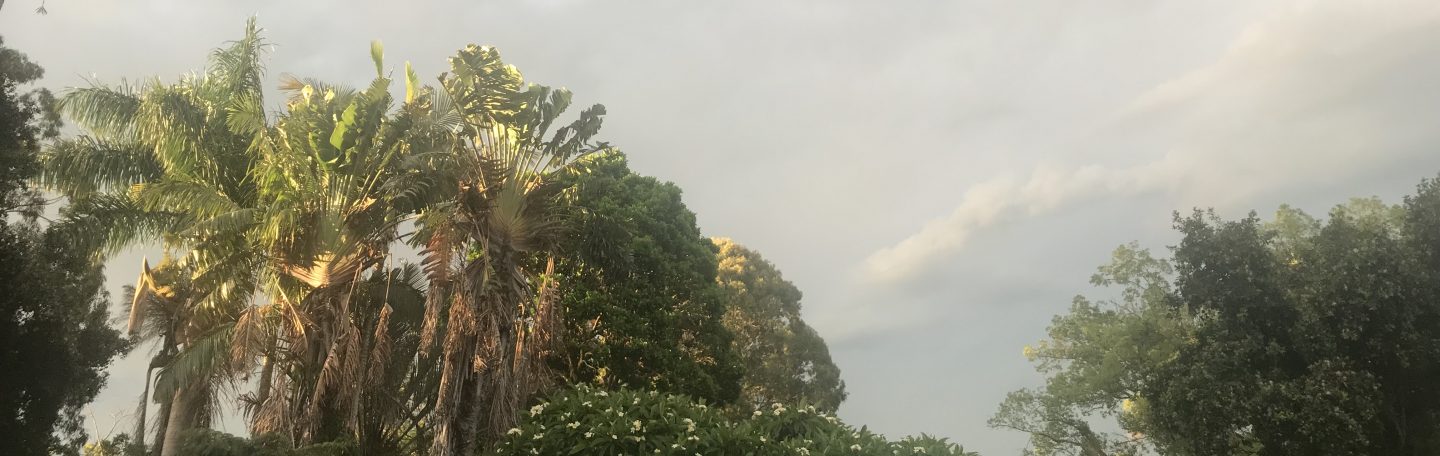

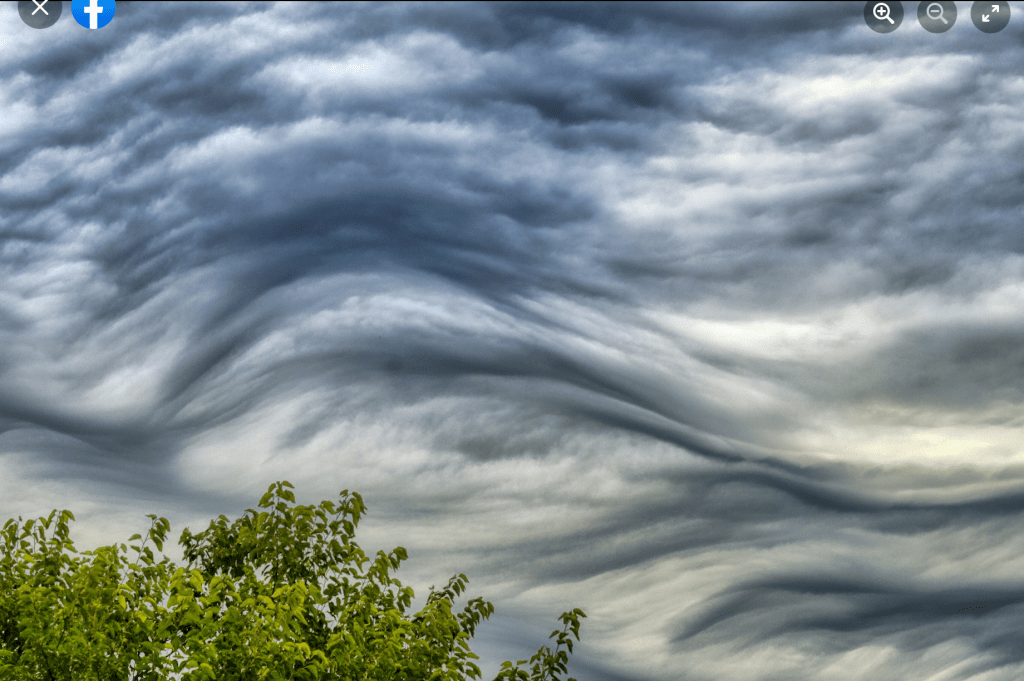
This is a screenshot, possibly from a photo by Paul Smith of an amazing-looking unnatural-looking sky. Correct me if I’m wrong. Anyone?
Finally signed up to a newspaper and even paying my way. The Guardian has Tim Winton writing on account of the ‘outrage’ of climate warming being done to us, and mincing no words at all. I’m happy to read the real story!
So I’m glad that the Volkskrant, the Dutch outlet I was trying to subscribe to, just didn’t want to know me. Their site is run totally by machine. Without any human input, it feels like, and if the prospective subscriber asks something different to the usual, there is just no possibility to step off the beaten track.
And finally, there’s nowhere to put my Australian money since I don’t have an IBAN, don’t know what an IBAN is, and moreover my bank in Australia does not deal in IBANs. Up to now I have had no problem paying anywhere in the world by the usual international means. Must be, the Volkskrant wants only want sheeple.
From the few bits that I did read, I gather that Dutch–or should I say Nederlands–is being Anglified hand-over-fist. I saw a ton of words taken straight out of English that, where and if necessary, had Dutch pre and post fixes, and verb endings applied. Gescoort? Offeren. Privacy. Spark.
Other than that tendency, there is the Dutch practice of pasting long trains of words together to describe new concepts … onderhandelingstafel, for example, in an article to do with trade sanctions. Don’t ask, I have no idea. Vermogensbeheerder is another mysterious concept.
Is this merely a Dutch version of journalese is what I want to know? Do ordinary Dutch people speak this language?
The equivalent but opposite tendency in English seems to be to split up compound words and I admit to a tendency to put hyphens between words that read as though they are trying to belong together. Like hand-over-fist a few lines above.

